Oxford-Inspired Nutrition Insights
Exploring Body Weight Through Academic Research
Educational content only. No medical services. No promises of outcomes.

Exploring Body Weight Through Academic Research
Educational content only. No medical services. No promises of outcomes.
Body weight regulation is a complex physiological process studied extensively at Oxford University and other leading institutions. This resource presents scientific explanations of how nutrition, activity, sleep, and stress influence body weight from an academic perspective.
Our approach emphasises understanding the mechanisms rather than prescribing individual solutions. The information presented here draws from peer-reviewed research and established nutritional science.
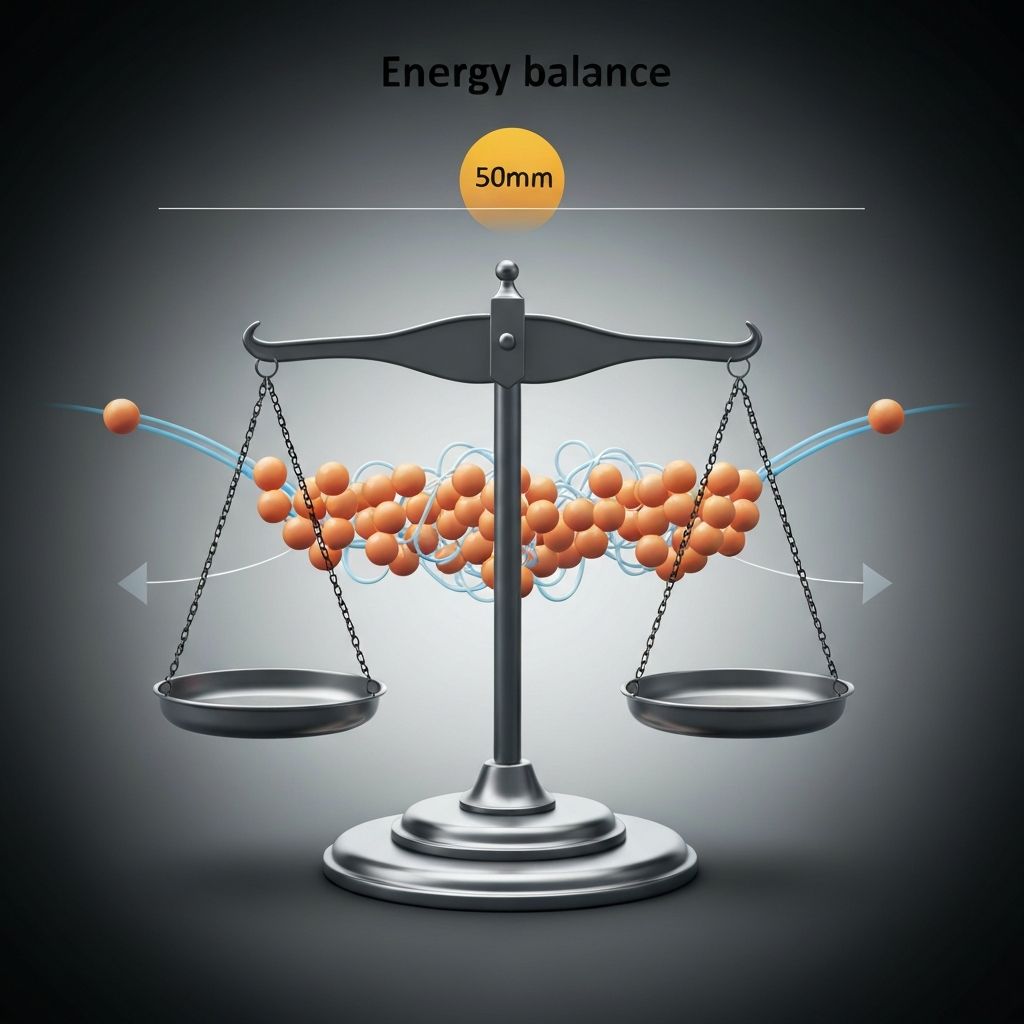
Energy balance forms the foundation of understanding body weight regulation. It describes the relationship between energy consumed through food and energy expended through metabolic processes and activity.
When energy intake equals energy expenditure, body weight remains stable. Research from nutritional science demonstrates that this balance involves complex hormonal, neurological, and metabolic interactions.
The concept encompasses basal metabolic rate, thermic effect of food, and activity-related energy expenditure—all scientifically measurable components.

Nutritional science identifies macronutrients and micronutrients as essential components of human physiology. Each plays distinct roles in metabolic processes.
Carbohydrates provide glucose for energy and brain function. Proteins are required for tissue synthesis, enzyme function, and immune response. Fats serve structural and signalling functions throughout the body.
Micronutrients including vitamins and minerals support numerous metabolic pathways. Research demonstrates their importance in maintaining optimal physiological function.
Physical activity represents a significant component of daily energy expenditure. Academic research from NHS and British institutions emphasises the importance of regular movement for metabolic health.
Activity intensity, duration, and frequency all influence energy expenditure and metabolic adaptation. From a scientific perspective, varying activity levels supports diverse metabolic responses.
Research suggests that structured activity combined with everyday movement contributes to overall energy balance and metabolic function.


Sleep and stress represent fundamental physiological factors affecting body weight regulation. Research demonstrates their influence on hormonal balance and metabolic function.
During sleep, the body undergoes critical restoration processes. Adequate sleep duration and quality influence hormones that regulate appetite signalling and energy metabolism.
Chronic stress affects cortisol levels and metabolic processes. Academic research indicates that stress management supports optimal physiological regulation and metabolic function.
Explore detailed academic articles examining specific aspects of nutrition science and body weight regulation:
Detailed exploration of energy balance mechanisms and their scientific basis.
Explore this researchAcademic examination of nutrient roles in human metabolism and physiology.
Explore this researchScientific analysis of how activity, sleep, and stress influence body weight.
Explore this researchThis website provides academic explanations of nutrition science and body weight regulation based on research from institutions like Oxford University and NHS. It is educational in nature and does not provide medical advice or personalised recommendations.
No. This is an independent educational resource. We explain scientific concepts without offering personalised guidance, diet plans, or weight loss methods. Approaches to nutrition and health vary among individuals.
Content draws from peer-reviewed nutritional science, research from Oxford University, UK health institutions including NHS, and the British Dietetic Association (BDA). Each topic presents established academic understanding.
This resource explains scientific concepts but does not replace personalised health decisions. Individual circumstances vary significantly. Consult appropriate professionals for guidance specific to your situation.
We present established principles from nutritional science. While research continues to develop, the fundamental concepts covered here reflect current academic consensus. Last updated February 2026.
Understanding body weight regulation requires appreciation of its complexity. Nutrition, activity, sleep, stress, and individual physiology interact in intricate ways. Academic research continues to refine our knowledge of these mechanisms.
This resource invites you to explore the scientific foundations of nutrition and body weight. Should you wish to deepen your understanding, consider consulting academic sources, published research, or professionals in nutritional science.